Lacrosse Guide
From Native American origins to modern athletic competition, lacrosse combines speed, skill, and strategy. Your stick is your primary tool - learn how to choose and customize it for optimal performance.
Lacrosse Stick Components
The Head
The head catches, carries, and releases the ball. Head shape varies dramatically by position. Narrow heads offer ball retention and accuracy for attackers. Wide heads create larger catching areas ideal for defensive play.
Stiffness matters too. Flexible heads absorb impact during checks but may lose shape over time. Stiff heads maintain precision but offer less give on catches.
The Pocket
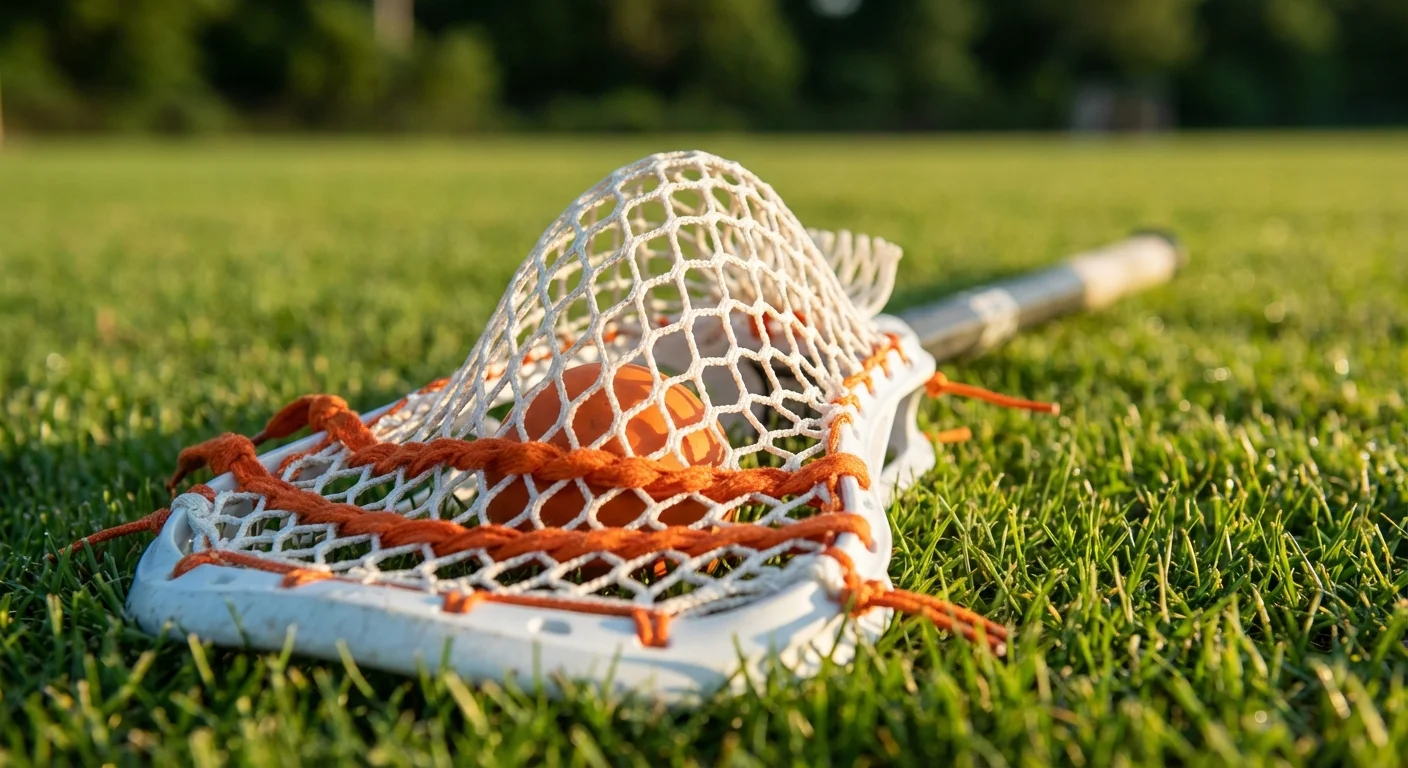
Your pocket is where the ball sits. Pocket depth, measured by how far below the sidewall the ball rests, affects release speed and ball security. Legal pocket depth varies by league and gender.
Mesh pockets use woven material and require less maintenance. Traditional pockets use leather and nylon and offer more customization but need regular adjustment.
The Shaft
Shaft length depends on position. Attack and midfield use short sticks (40-42 inches). Defensive players use long poles (52-72 inches depending on league). Goalies have specialized shafts matching their head width.
Position Quick Reference
- Attack: Narrow head, pinched throat, short shaft
- Midfield: Medium head, versatile pocket, short shaft
- Defense: Wide head, flat scoop, long pole
- Goalie: Extra-wide head, deep pocket, specialized
Choosing Your Head
Your position and play style determine the ideal head characteristics. Understanding the trade-offs helps you select equipment that complements your strengths.
Offensive Heads
Narrow faces with pinched throats hold the ball securely during dodges. Higher sidewalls create deeper pockets for better ball protection.
Trade-off: Smaller catching area
Defensive Heads
Wide faces maximize catching and checking surface. Flat scoops help with ground ball pickups. Built to withstand physical play.
Trade-off: Less ball retention
Universal Heads
Medium width offers balanced performance. Good for players who transition between positions or beginners still finding their play style.
Trade-off: Master of none
Goalie Heads
Significantly wider than field heads with flat angles for deflections. Deep pockets trap shots. Unique stringing requirements.
Specialized for goalkeeping only
Stringing and Pocket Types
Mesh Pockets
Modern mesh comes in various patterns and thicknesses. Soft mesh breaks in quickly and offers feel but may bag out. Hard mesh maintains shape but needs more breaking in time.
- Semi-soft mesh balances feel and durability
- Diamond patterns affect ball channel
- Weather-resistant options exist for wet conditions
- Easier to restring than traditional pockets
Traditional Pockets
Leather and nylon combinations create highly customizable pockets. Skilled stringers can tune channel depth, whip, and hold to exact preferences. Requires more maintenance than mesh.
- Maximum customization potential
- Distinct feel preferred by purists
- Leather stretches and needs adjustment
- Higher skill ceiling for stringing
Pocket Depth Rules
Legal pocket depth is measured by placing a ball in the pocket and checking if any part of the ball sits above the lowest point of the sidewall. Rules vary:
Ball below sidewall is legal
Ball must be visible above sidewall
Varies by league regulations
Shaft Materials and Shapes
Aluminum
Durable and affordable. Good choice for beginners and physical players. Heavier than composite options. Can dent under extreme impact.
Alloy Blends
Scandium and titanium alloys reduce weight while maintaining strength. Mid-range price point. Popular choice for competitive players.
Carbon Composite
Lightest option with excellent vibration dampening. Premium price. Can crack rather than dent under heavy checks.
Shaft Shape
Octagonal shapes provide consistent grip regardless of hand position. Concave sections create hand guides for repeatable shooting form. Round shafts allow easy rotation but may slip in wet conditions.
Grip coatings range from smooth finishes to textured patterns. Some players add tape for additional grip and cushioning. Consider how the shaft feels with and without gloves.
Stick Maintenance
Breaking In Your Pocket
New mesh needs time to soften and form a ball channel. Play catch regularly during the break-in period. Wall ball sessions accelerate the process. Avoid getting the pocket soaking wet during initial break-in.
Traditional pockets stretch more than mesh. Check tension regularly and adjust shooting strings as the leather softens. A broken-in traditional pocket develops a personal feel that mesh cannot replicate.
Caring for Your Equipment
Store sticks in dry locations away from extreme temperatures. Remove mud and debris after practices. Check for cracks in the head and dents in the shaft periodically.
Mesh pockets can be washed with mild soap when dirty. Traditional pockets benefit from occasional leather conditioner. Replace shooting strings when they fray or lose tension.
Time to Train
With your stick strung and ready, consistent practice separates good players from great ones. Explore our training resources to develop your lacrosse skills.
View Training Resources