Master the Art of Stick Sports
Whether you're picking up a hockey stick for the first time or perfecting your lacrosse game, Stick Guide provides the knowledge and resources you need to excel on the field and ice.
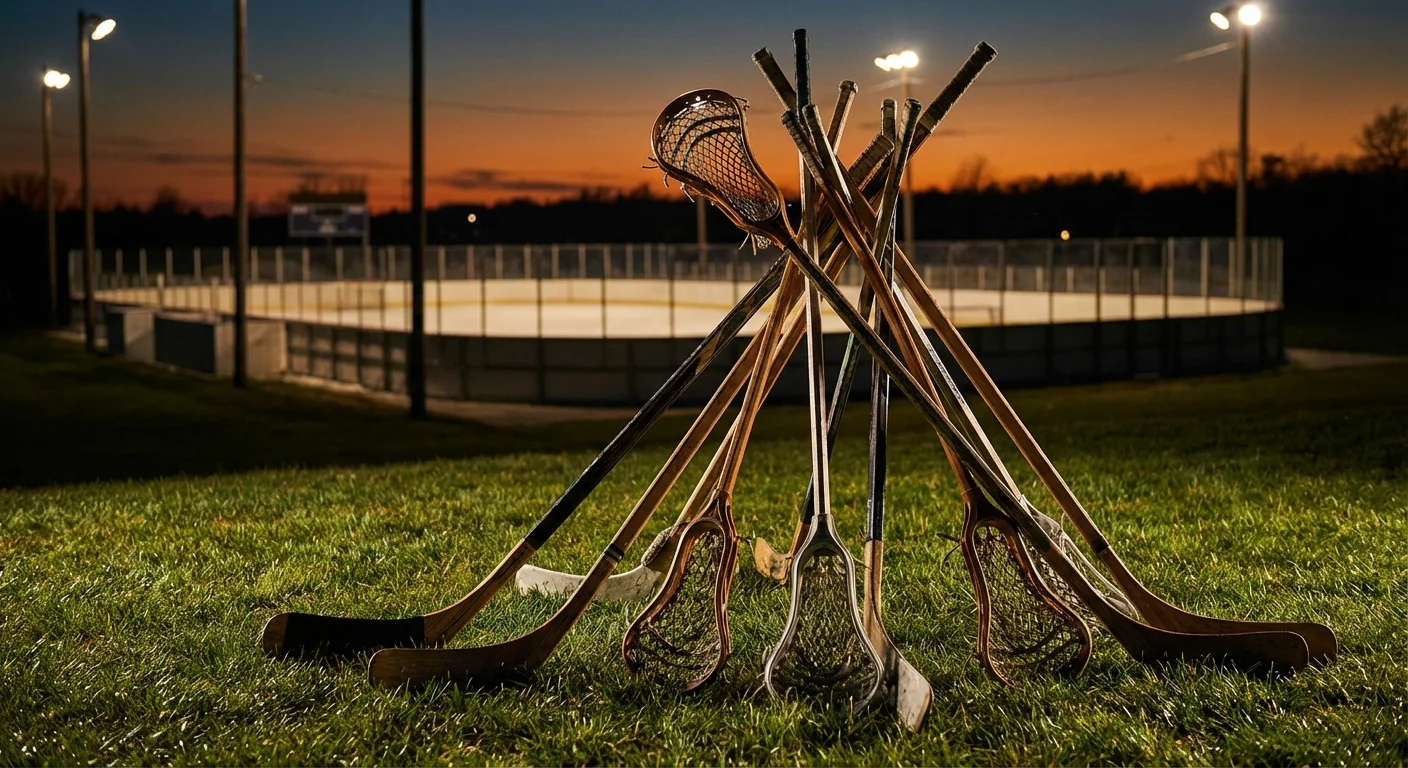
Two Sports, One Passion
Stick sports demand precision, athleticism, and dedication. Learn what makes each sport unique and find your path to improvement.
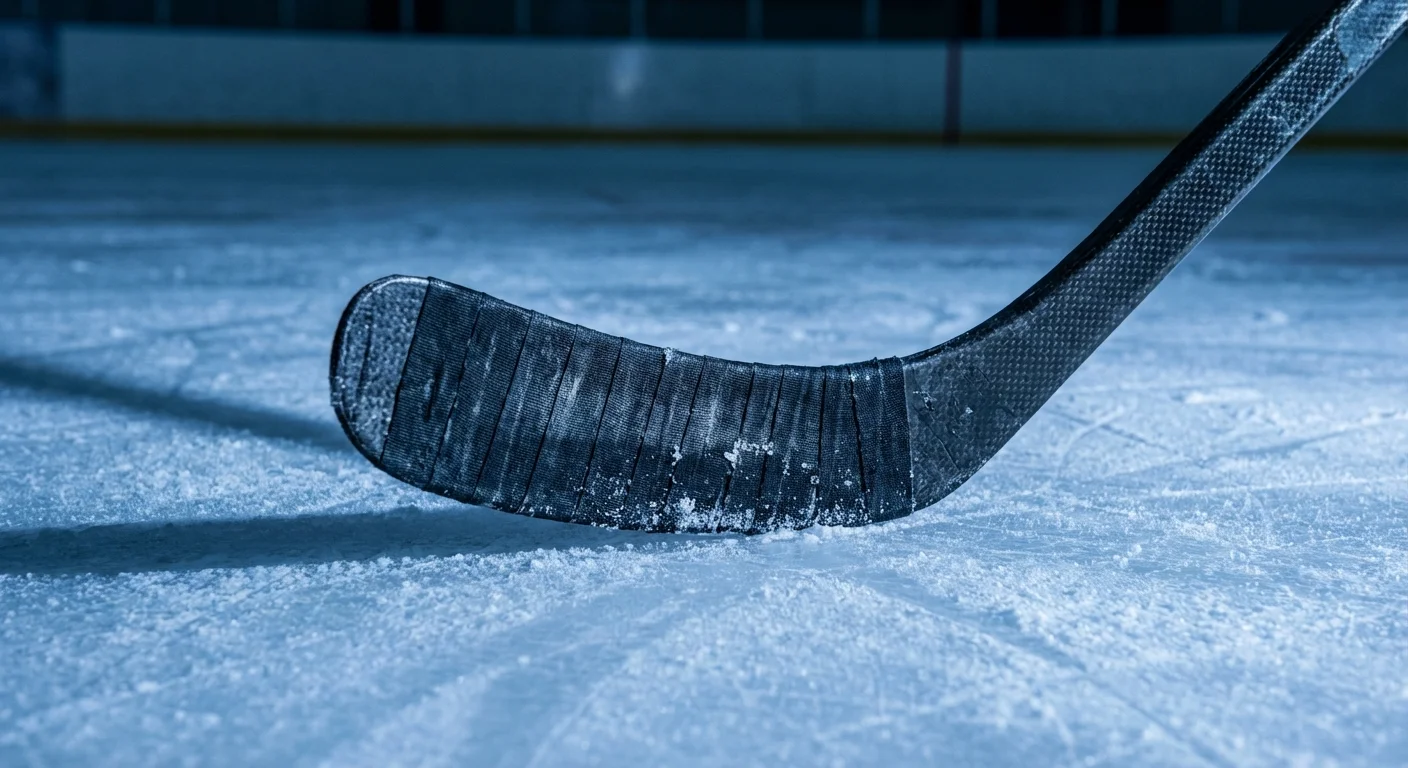
Ice Hockey
Fast-paced action on ice demands quick reflexes and precise stick handling. From choosing the right curve to mastering wrist shots, every detail matters when you're racing toward the goal.
- Blade patterns and lie angles explained
- Flex ratings for different play styles
- Tape techniques for better puck control
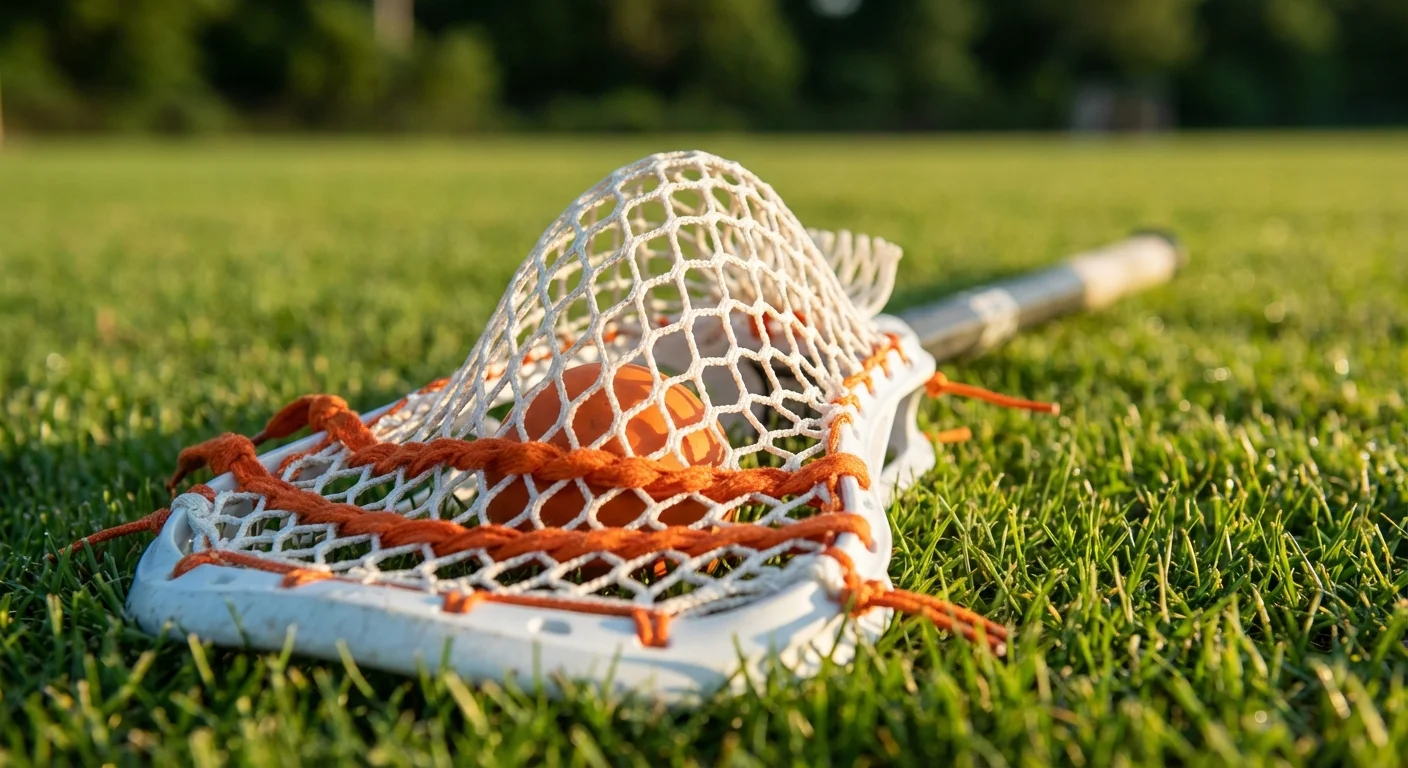
Lacrosse
The fastest game on two feet combines Native American heritage with modern athletic competition. Your stick is an extension of your arms, cradling and launching the ball with finesse.
- Head shapes for attack, midfield, and defense
- Pocket stringing and mesh selection
- Shaft materials and weight considerations
Finding Your Perfect Stick
The right equipment transforms your game. Understanding stick anatomy helps you make informed decisions whether you're a beginner buying your first stick or a veteran looking to optimize performance.
Stick Length
Proper length depends on your height and playing position. A stick that's too long reduces control, while one too short limits reach. Most players benefit from having the stick reach somewhere between chin and nose when standing on skates or cleats.
Weight Balance
Where the weight sits affects how the stick feels during play. Attack players often prefer lighter options for quick movements, while defenders may want more mass for checking power and stability.
Material Choices
Carbon fiber offers excellent power-to-weight ratios. Composite blends provide durability for physical play. Wood sticks remain popular for their natural feel and affordability at entry levels.
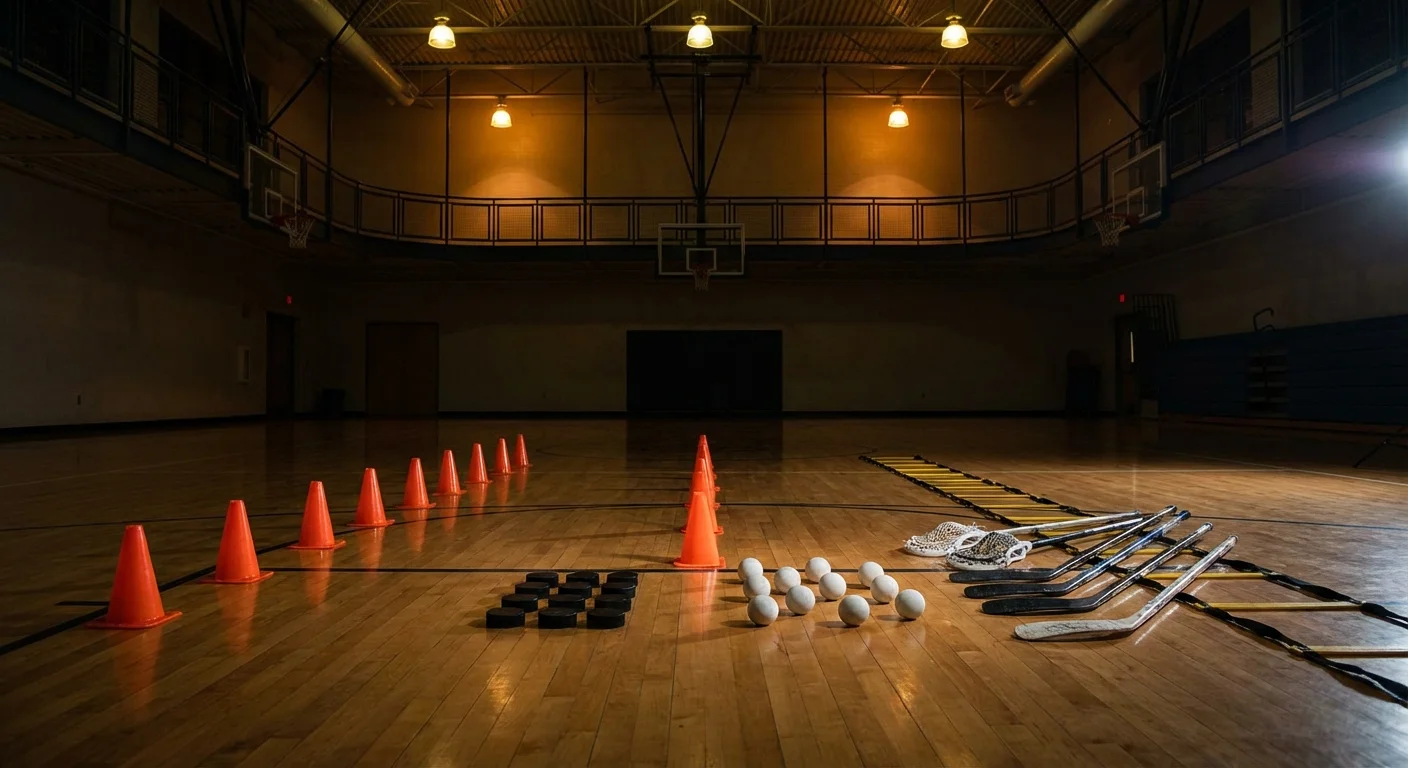
Train Like a Pro
Raw talent only takes you so far. Structured practice and conditioning separate good players from great ones. Our training resources cover fundamental drills, position-specific exercises, and off-season workout plans.
- 01.Stick handling drills you can practice at home
- 02.Shooting accuracy exercises for both sports
- 03.Conditioning routines for game-day endurance
- 04.Mental preparation and game awareness tips
Common Questions
How often should I replace my stick?
Competitive players typically replace sticks once or twice per season depending on play intensity. Look for cracks, chips in the blade or head, and reduced responsiveness as signs that it's time for a new one.
Can I use the same techniques for hockey and lacrosse?
While both sports involve stick handling, the mechanics differ significantly. Hockey focuses on flat blade control against ice or floor, while lacrosse requires cradling motions to keep the ball in the pocket. Cross-training can improve hand-eye coordination, but sport-specific practice is essential.
What protective gear do beginners need?
Both sports require helmets, gloves, and appropriate padding. Hockey adds skates and more extensive body protection, while lacrosse players wear arm guards and shoulder pads. Always follow your league's equipment requirements.